Brose manufactures 3D-printed components for the Apollo Evo hypercar

Apollo Evo: The hypercar’s futuristic design is thrilling motorsport fans.
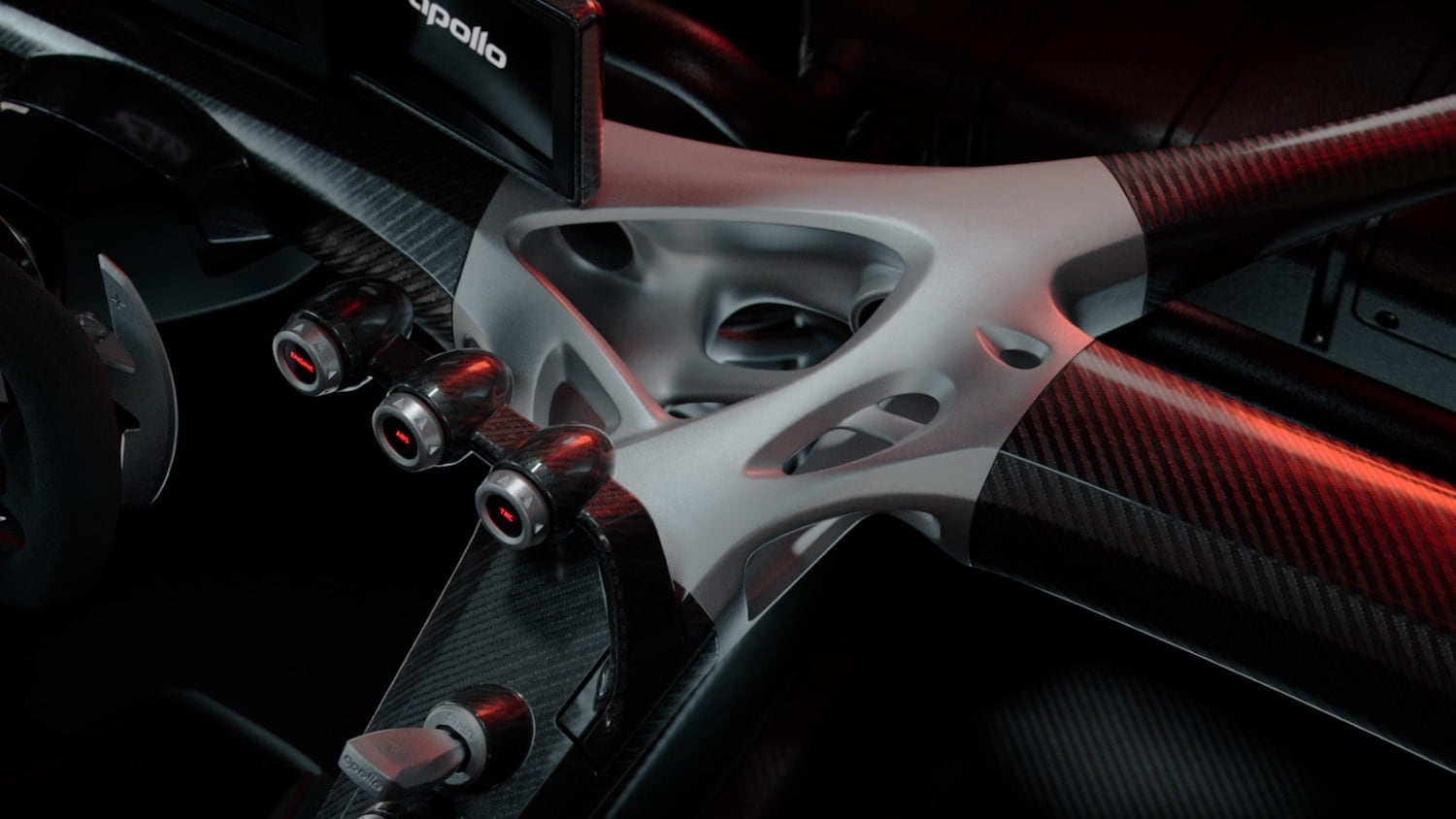
The automotive supplier Brose produces key interior components for the Apollo Evo hypercar. The components were manufactured using 3D printing at the Coburg site. The vehicle, produced by Apollo Automobil GmbH of Gaimersheim near Ingolstadt, was unveiled to the public for the first time on 9 July as part of the ‘Festival of Speed’. The motorsport event took place on the grounds of Goodwood House in West Sussex, southern England.
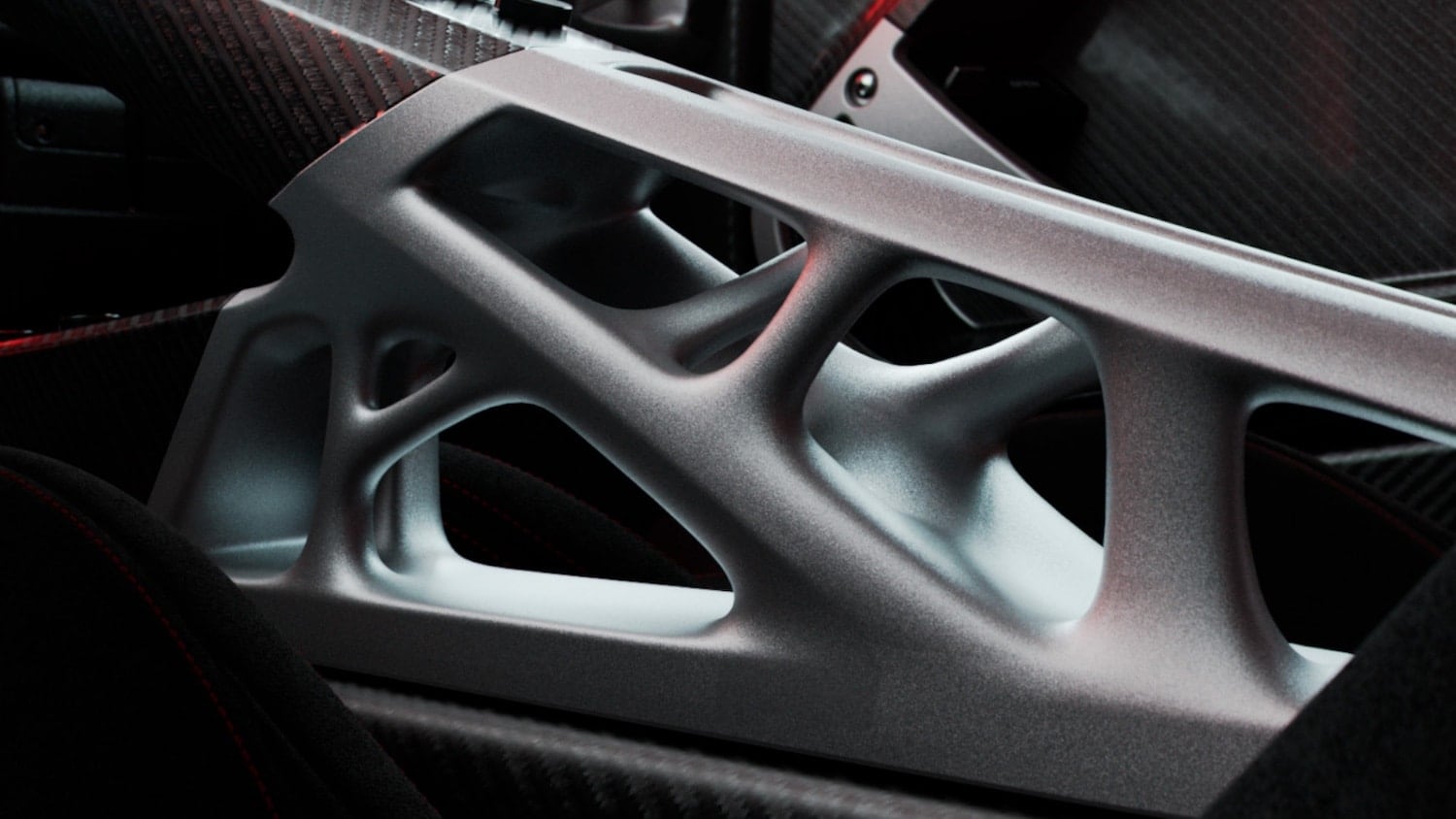
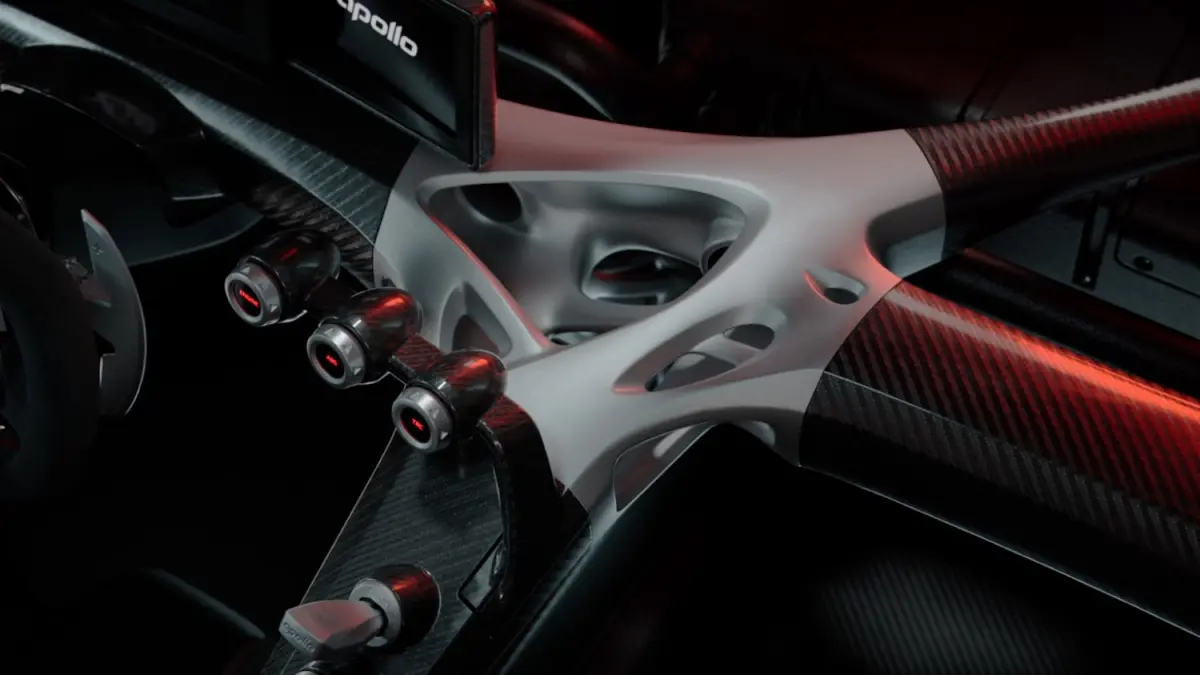
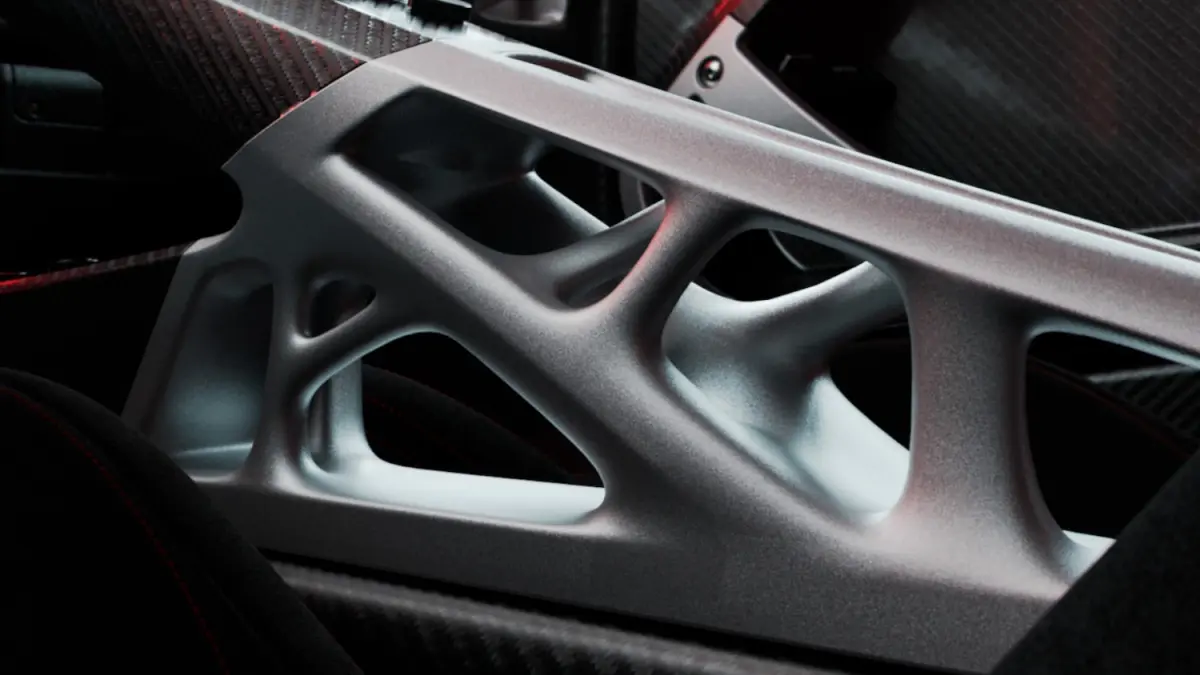
For the Apollo Evo, Brose manufactured a total of five so-called knots made from the lightweight material aluminum. Installed in the hypercar’s cockpit, they connect individual control elements with one another. Their skeletal structure contributes to the unique and futuristic design of the interior. This underscores the vehicle’s distinctive character, which is also reflected in its limited production run.
At Brose, we view development and production in additive manufacturing as an integrated concept. We systematically go through all process steps and support our customers from the initial idea through to the finished end product,
explains Eric Fritzsche, Head of 3D Printing at Brose.
Based on the customer’s requirements, a prototype was first developed, which served as the foundation for the final component design. Particular attention during the manufacturing process was paid to the finishing of the elements: a combination of automated and manual post-processing achieved an exceptionally high-quality surface finish and visual appearance.
Passion for Perfection
We successfully transferred our expertise in the development and production of automotive components to the hypercar segment. High quality standards, state-of-the-art 3D printing systems, and the know-how of our teams made a significant contribution to giving these elements a luxurious appearance,
Fritzsche summarizes.
Manufacturing visible components for vehicles in the luxury segment is particularly challenging. Therefore, we specifically looked for a partner with proven expertise in both the automotive sector and additive manufacturing. Brose did an outstanding job of implementing our exact requirements,
says Marko Konta, Chief Product Officer at Apollo.
With the successful completion of the project, Brose further demonstrates its expertise in additive manufacturing and continues to strengthen its role as an innovation partner to the automotive industry. We see great potential in additive manufacturing and are therefore driving forward the production of 3D-printed automotive components,
says Fritzsche. Especially for complex or highly variant components, the technology creates new opportunities for greater flexibility, improved efficiency, and reduced development time.