
How Trial Riding Advances the Future of Electric Drives

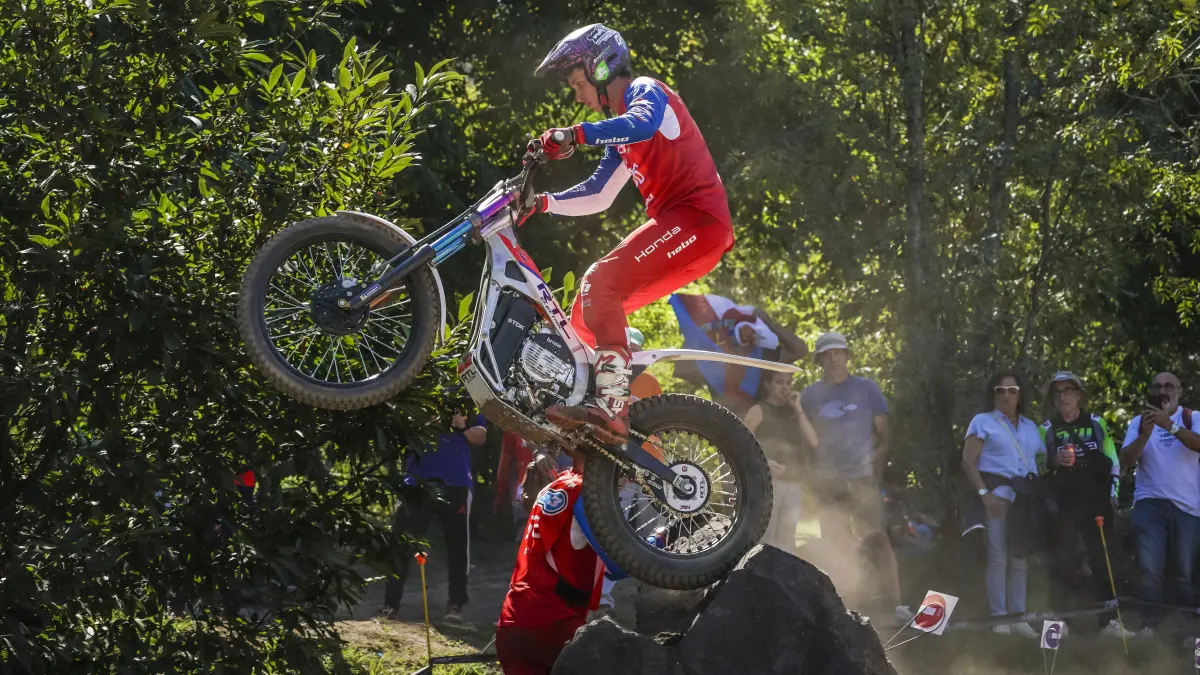
Miquel Gelabert at the TrialGP World Championship Final. (Photo: Honda)
Rocks, steps, tight turns, and obstacles that would be difficult to overcome even on foot: in trial riding, speed and lap times do not matter. Instead, precision, balance, and control are what count most, along with complete confidence in the technology.
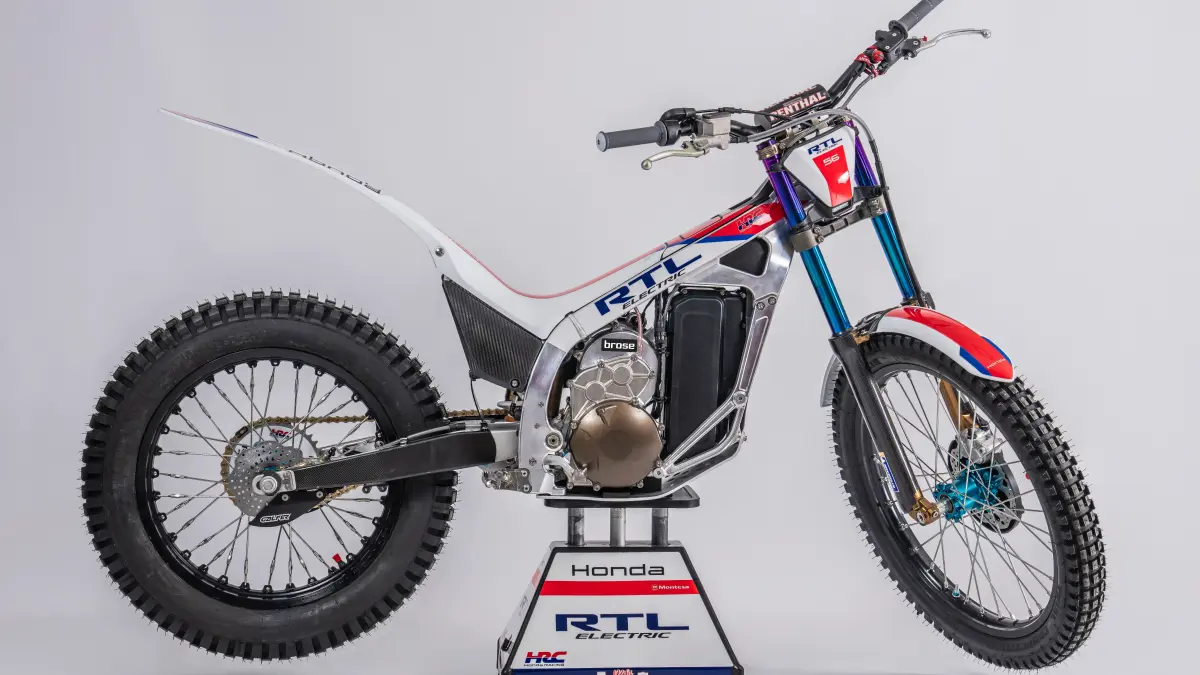
It was precisely this confidence that was put to the test at the opening round of the TrialGP World Championship in Motegi, Japan, in mid-May. From May 15 to 17, the world's elite riders gathered there for the first of seven championship rounds. For the first time, the Honda RTL Electric, a fully electric motorcycle, competed in the premier class of trial riding. Brose was also part of the project. Since 2022, we have been responsible for motor development, including integrated electronics, as well as the assembly of the drive systems at our Würzburg site.
The World's Toughest Test Laboratory
What may appear at first glance to be a motorsport project is also an important field of development for the future of electric two-wheelers. Few applications place greater demands on a drive system than trial riding. Millimeter-precise balance, abrupt load changes, maximum power in an extremely compact package, and absolute reliability turn every competition into a rigorous test of our technology. Our drive system delivers peak power of 22 kilowatts at a nominal voltage of 48 volts while weighing less than nine kilograms.
Trust Is Built Trackside
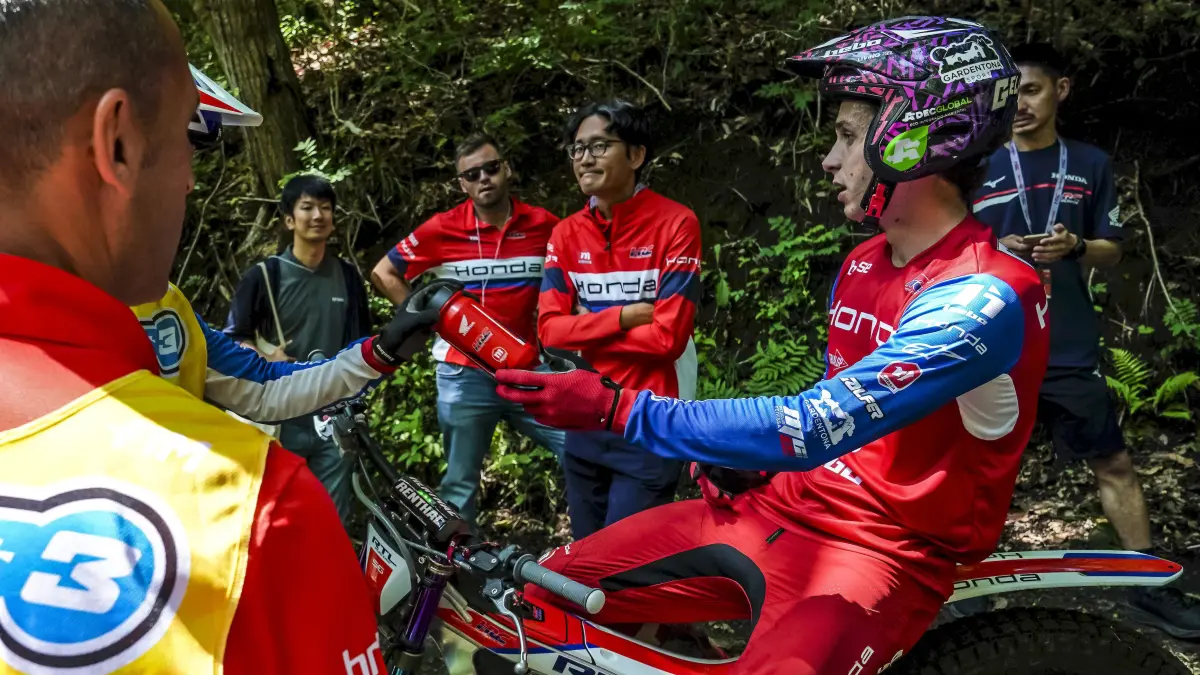
To provide technical support on site, systems engineer Julian Müller from Würzburg and Kengo Yamaguchi from Brose Japan accompanied the Honda Montesa team. Between training sessions, competitions, and technical analyses, they were always available to support the riders and technicians. In trial riding, there is virtually no room for uncertainty.
In the extremely demanding and mentally challenging sport of trial riding, it is essential that the rider has complete confidence in the bike. The drive system plays a crucial role in this. If any issues arise, we analyze them immediately and ensure a rapid solution so that the rider can continue to rely on the technology,
says Müller. This close connection to real-world application makes all the difference. It provides valuable insights under genuine extreme conditions and helps us continuously improve our drive systems.
Success All the Way to the Finish
Last weekend marked the final challenge of the season for rider Miquel Gelabert after seven intense championship rounds. From September 18 to 20, he secured fifth place in the season finale in Pobladura de las Regueras, Spain.
Both the final round and all the preceding events served as a mobile development laboratory for us. They brought together innovation, teamwork, and technical excellence, demonstrating how our technology delivers top performance even under the toughest conditions,
Müller concludes.